
About Me
I am a second-year BSc (Hons.) Computer Science and Software Engineering student at SLIIT NORTHERN UNI, with a strong passion for technology and problem-solving. I have a basic understanding of programming languages such as Java, Python, C and C++, as well as web development. Eager to apply my skills in a practical environment, I am currently seeking an internship opportunity where I can contribute to real-world projects and further develop my technical expertise.
Technical Skills
Featured Projects
Developed a fully functional individual full-stack Blue Wings mobiles e-commerce website using HTML, CSS, JavaScript, and PHP.
Developed a group project, LEARNERS, using Java Swing and SQL.
Developed a group project, an Android app using Java, Firebase, and REST API, to provide AI-powered features with real-time data synchronization and seamless user interaction.
B.Sc (Hons) Computer Science and Software Engineering
SLIIT Northern Uni
Expected Graduation: October 2026
Languages
References
Lecturer SLIIT Northern Uni
Jaffna, Sri Lanka
B.Sc, M.Sc Comp Sci, M.Phil (Pera-Reading)
Lecturer SLIIT Northern Uni
Jaffna, Sri Lanka
Member of Sri Lanka Young Scientists Forum (NASTEC)
Professional Skills Portfolio
A comprehensive showcase of essential workplace skills, personal development insights, and professional competencies
Definition & Overview
Also called soft skills or employability skills - Non-technical abilities that help you succeed in the workplace. These skills are transferable and useful in any job or industry.
Key Skills to Develop
Communication
Clear speaking, writing, listening
Problem-solving
Thinking critically, solving issues efficiently
Teamwork
Working well with others and contributing to a team
Adaptability
Adjusting to change and staying flexible
Time management
Organizing tasks and meeting deadlines
Leadership
Taking initiative, guiding others
Personal Qualities
values:
beliefs:
attitudes:
character:
Personal Reflection & Key Takeaway
Professional skills form the foundation of workplace success. Through self-awareness and continuous development, I've learned to recognize my strengths and areas for improvement, actively seeking feedback to enhance my interpersonal effectiveness.
Definition & Overview
A curated collection of work, achievements, and credentials that provides tangible evidence of skills, knowledge, and experience. More than a resume - it's a personal showcase of your professional journey.
Key Purposes
Job Applications: Supplements resume with work samples and projects
Career Advancement: Demonstrates value for promotions and new roles
Skill Demonstration: Provides proof of specific abilities
Personal Branding: Establishes professional identity
Self-Assessment: Tracks growth and identifies improvement areas
P.E.A.K.S. Model
Personal Characteristics
Integrity, teamwork, work ethic
Experience
Previous roles, internships, volunteer work
Accomplishments
Awards, successful projects, quantifiable results
Knowledge
Certificates, degrees, completed courses
Skills
Technical abilities, languages, software proficiency
Personal Reflection & Key Takeaway
My portfolio demonstrates communication skills through organized content, organizational skills through clear structure, and self-awareness through honest reflection. It showcases my professionalism and attention to detail.
Definition & Overview
A formal document designed to present a plan for a task requiring significant time, effort, and planning. Primary goal is to persuade the reader to accept the writer's ideas.
Proposal Types
External Proposal
A bid for contract from outside organization - competitive document
Internal Proposal
Within organization to persuade colleagues or administrators
Key Questions
What is the problem?
What is the solution?
Can the solution be implemented?
Should the solution be implemented?
Proposal Structure
Executive Summary: Concise overview for decision makers
Management Section: Personnel expertise and project schedule
Financial Section: Detailed cost breakdown
Introduction: Purpose, credibility, problem definition
Discussion: Problem details, solution benefits, implementation context
Personal Reflection & Key Takeaway
Project proposals are strategic persuasive documents. Success depends on clearly defining problems, presenting feasible solutions, and convincing readers that you're the right person to implement them.
Definition & Overview
A comprehensive document summarizing education, work experience, skills, and achievements. Primary purpose is to showcase qualifications and convince employers of your suitability for specific jobs.
Key Principles
Tailoring is Crucial: Customize for each job application
Research: Study company and job description for keywords
First Impression Counts: Well-structured and error-free presentation
Common Mistakes
Spelling and grammatical errors
Including irrelevant information
Using long paragraphs instead of bullet points
Inconsistent formatting
Not tailoring to the job
CV Structure
Personal Information: Name, contact details, LinkedIn profile
Professional Summary: 2-3 line overview of career goals and strengths
Work Experience: Reverse chronological order with quantifiable achievements
Education: Degrees, universities, graduation years
Skills: Mix of hard and soft skills, categorized by proficiency
Achievements: Certifications, awards, relevant recognitions
Personal Reflection & Key Takeaway
A CV is a marketing document that sells your skills and experiences. A tailored, well-structured, and achievement-focused CV significantly increases chances of landing interviews.
Definition & Overview
A structured conversation between job applicant and employer to exchange information and determine mutual fit.
Interview Strategy
What do I want the interviewer to know about me?
What weaknesses do I want to minimize?
What do I need to know about this job and organization?
Communication Impact
STAR Method
Situation: Briefly describe the context
Task: What was your goal or responsibility?
Action: What specific steps did you take?
Result: What was the positive outcome? What did you learn?
The 6 C's
Personal Reflection & Key Takeaway
Interviews are two-way assessments of fit. Success comes from confident, prepared, and specific communication, supported by strong non-verbal cues and a positive attitude.
Definition & Overview
Planned gatherings to discuss issues, share information, make decisions, or solve problems. Common in academic, business, and organizational settings.
Meeting Types
Meeting Roles
Chairperson/Facilitator: Leads the meeting
Secretary: Takes notes and prepares minutes
Timekeeper: Manages time
Participants: Contribute ideas and feedback
Planning Questions
What is the purpose and desired outcome?
Who should attend?
Date, time, and location?
Equipment and facilities needed?
Duration and formality level?
Best Practices
Start with clear agenda
Assign roles appropriately
Stick to timeline
Use appropriate language
Ensure everyone participates
Record minutes and follow up
Personal Reflection & Key Takeaway
Effective meetings require preparation, clear communication, and structured facilitation. Success depends on active participation, respectful listening, and professional presentation skills.
Definition & Overview
Email Etiquette
Use clear and professional subject lines
Address recipients appropriately with formal language
Keep messages concise and focused
Proofread before sending
Avoid slang, use professional signatures
Respond promptly to emails
Structure with bullet points when necessary
Email Structure
Subject Line: Clear and specific
Greeting: Professional salutation
Body: Concise main message with key points
Closing: Professional sign-off
Signature: Name, title, and contact information
Best Practices
Use appropriate tone for audience
Be mindful of cultural differences
Include clear call-to-action when needed
Use CC and BCC appropriately
Keep formatting simple and readable
Double-check recipient addresses
Personal Reflection & Key Takeaway
Professional email communication is essential in modern workplaces. Clear, concise, and well-structured emails demonstrate professionalism and ensure effective information exchange.
Definition & Overview
Key Principles
Answer Promptly: Within 2-3 rings
Identify Yourself: State department and name immediately
Smiling Voice: Smile while talking for positive tone
Be Present: Give full attention, avoid distractions
Professional Language
Use This:
Avoid This:
Call Handling Techniques
holding
Always ask permission: 'May I place you on hold?'
Wait for response
Don't exceed 30-60 seconds without checking
Thank caller for waiting when returning
transferring
Explain why you're transferring
Get consent to transfer
Brief recipient on caller's needs
Provide backup number in case of disconnection
messaging
Use message pad with complete information
Include caller's name, number, time/date
Clear message and required action
Deliver promptly and confidentially
Personal Reflection & Key Takeaway
Professional telephone etiquette demonstrates respect, clarity, and efficiency. Mastering these skills projects competence and builds positive relationships that reflect well on you and your organization.
Definition & Overview
Ability to recognize, understand, and manage emotions in oneself and others. EQ can be developed over time, unlike IQ which is mostly fixed.
Emotion Components
Subjective Experience: How we feel internally
Physiological Response: Body reactions (heart rate, sweating)
Behavioral Response: Facial expressions, posture, voice
Functions of Emotions
Help us survive (fear = run from danger)
Aid social interactions (smiling = friendliness)
Motivate actions and decisions
Communicate with others verbally and non-verbally
Types of Emotions
Hardwired:
Learned:
EQ vs IQ
EQ (Emotional Intelligence):
Can be improved
Emotional awareness
Builds relationships
Predicts long-term success
IQ (Intelligence Quotient):
Mostly fixed
Academic intelligence
Solves technical problems
Predicts academic performance
Brain Structure & Emotion Control
Amygdala: Emotional center, fight/flight responses
Prefrontal Cortex: Decision-making, emotional control
Limbic System: Emotional processing hub
Personal Reflection & Key Takeaway
Emotional intelligence is crucial for professional success. Unlike IQ, EQ can be continuously developed through self-awareness, empathy, and emotional regulation, leading to better relationships and career outcomes.
Definition & Overview
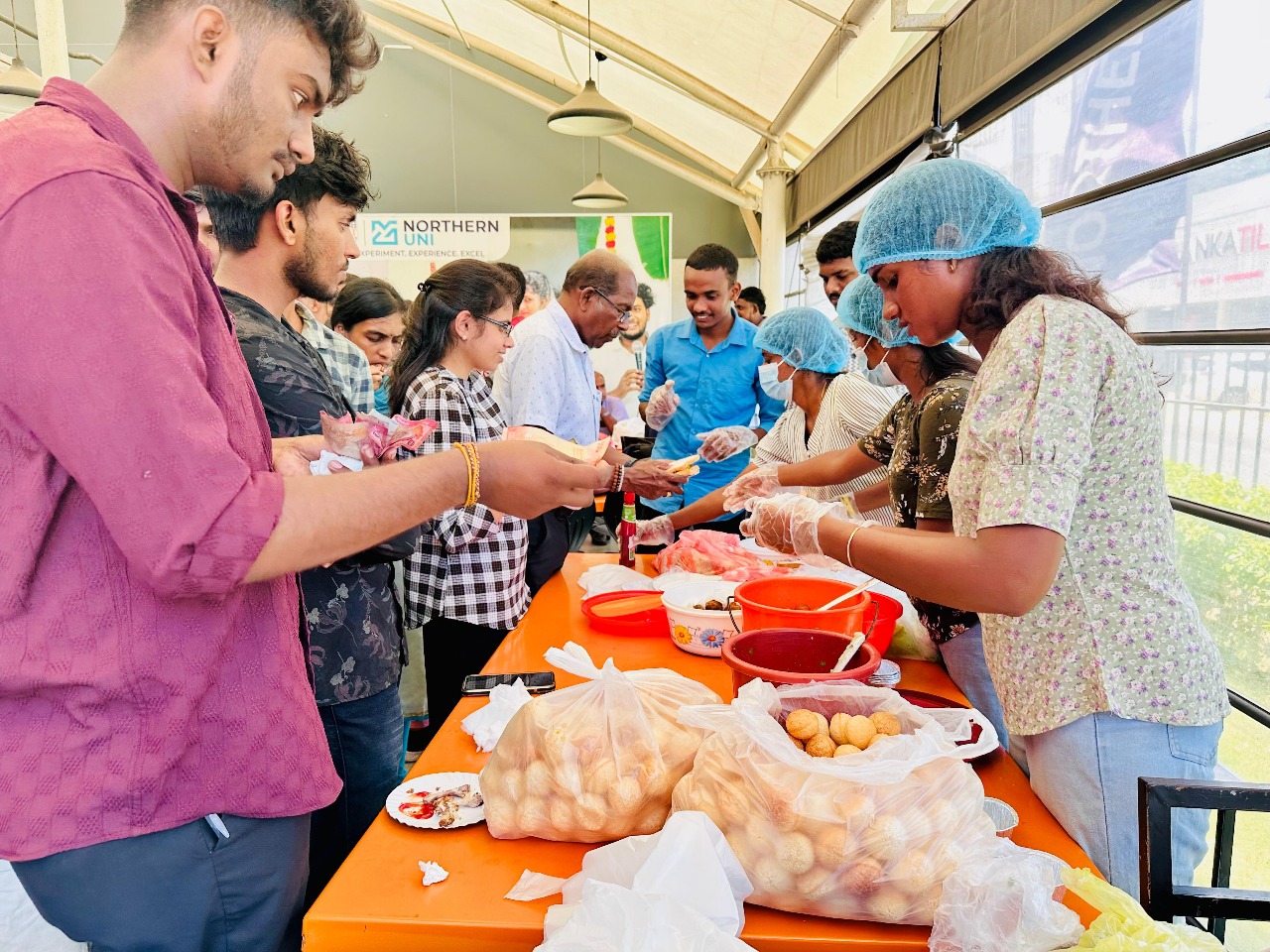
A food festival is an event where different types of food and beverages are showcased, often celebrating local culture, traditions, or cuisines. It brings together communities, vendors, and visitors to enjoy culinary experiences and entertainment.
Overview
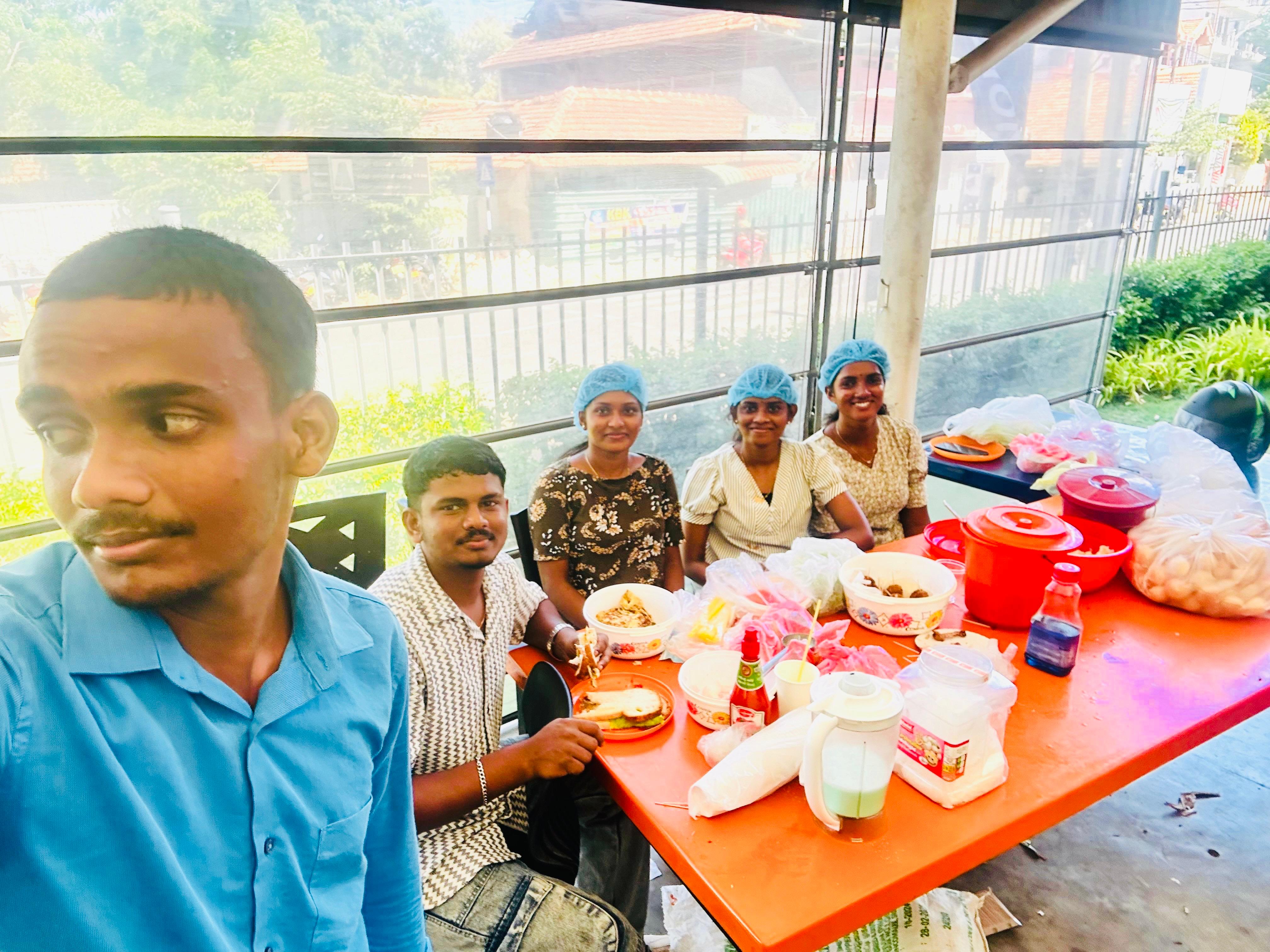
Food festivals are community events that combine food, culture, and entertainment. They give visitors the chance to taste diverse cuisines while supporting local businesses and enjoying cultural performances.
Key Features
Showcases diverse cuisines and local specialties
Includes food stalls, live cooking demonstrations, and competitions
Offers entertainment such as music, dance, and cultural performances
Provides opportunities for small businesses and chefs to promote their dishes
Encourages community bonding and tourism
Planning & Organization
theme Selection
- Decide whether it’s cultural, seasonal, or cuisine-based
venue And Setup
- Choose a spacious, accessible location with proper facilities
vendors And Participants
- Invite local restaurants, chefs, and food brands
logistics
- Arrange seating, waste management, hygiene, and safety measures
promotion
- Advertise through social media, posters, and local media
Best Practices
Ensure cleanliness and food safety standards
Provide affordable and varied menu options
Offer entertainment to engage all age groups
Have proper crowd management and security
Include eco-friendly practices (reduce plastic use, recycling)
Reflection
Food festivals are not just about eating but about celebrating culture, diversity, and togetherness. They create memorable experiences, promote local businesses, and strengthen community spirit.
Personal Reflection & Key Takeaway
Food festivals are not just about eating but about celebrating culture, diversity, and togetherness. They create memorable experiences, promote local businesses, and strengthen community spirit.